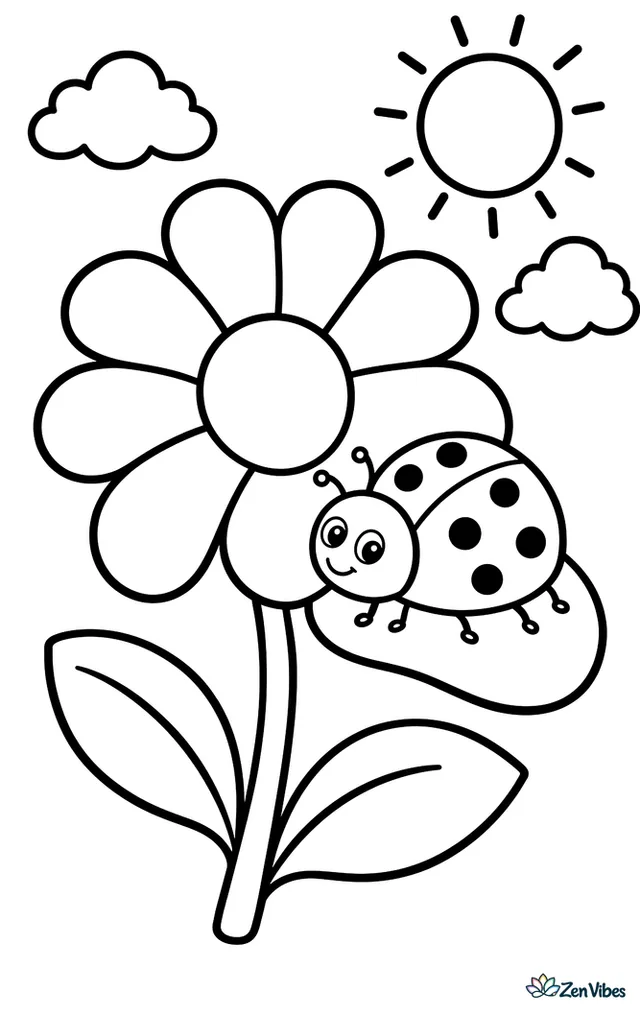
Seven-Spot on Daisy
Very easyAges 2–5Portrait

By Zen Vibes Editors · Published · Updated
If your kid likes tiny creatures but gets bored by busy pages, ladybugs are a good place to start. These designs stay friendly and clear, with big petals, round shells, and leaves that give little hands room to color without getting lost.
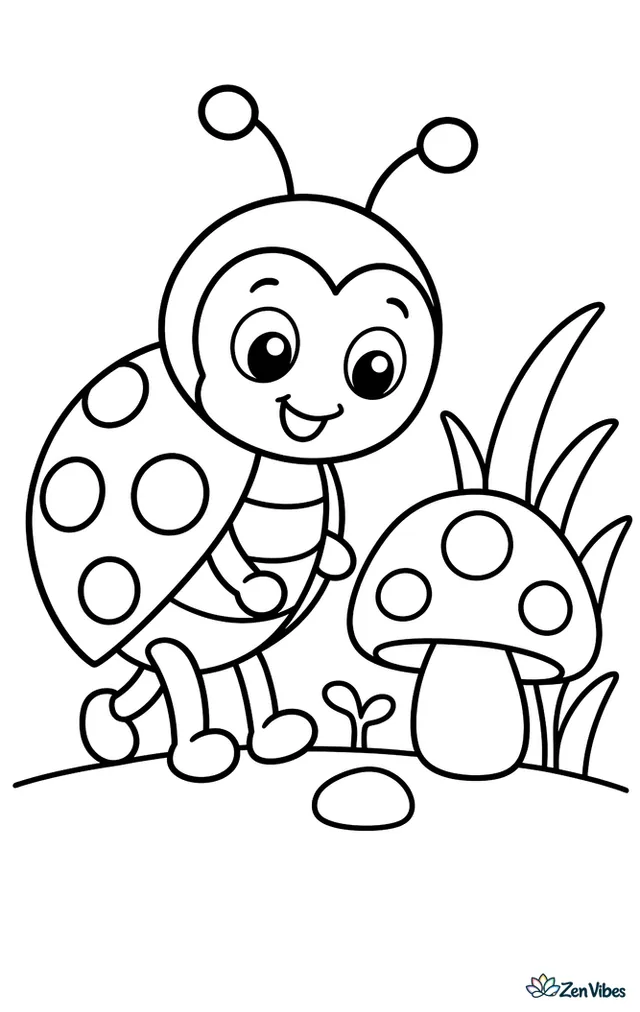
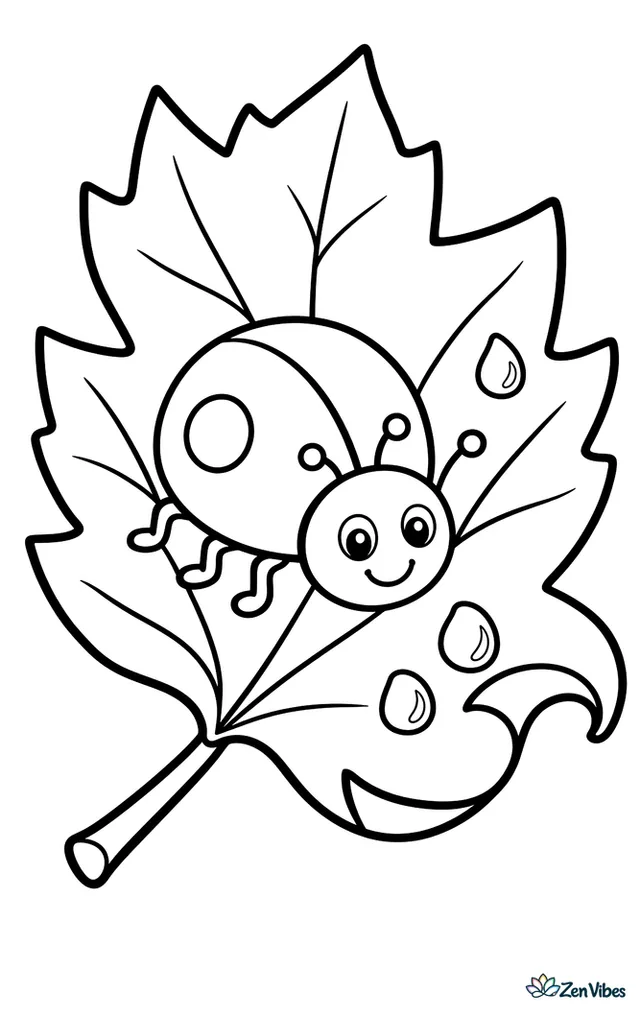
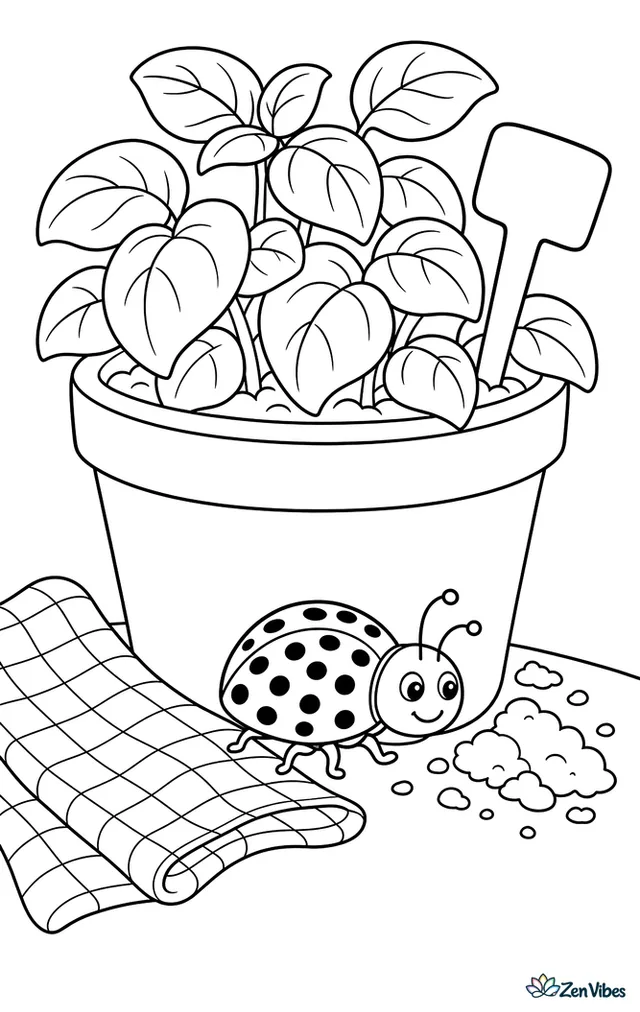
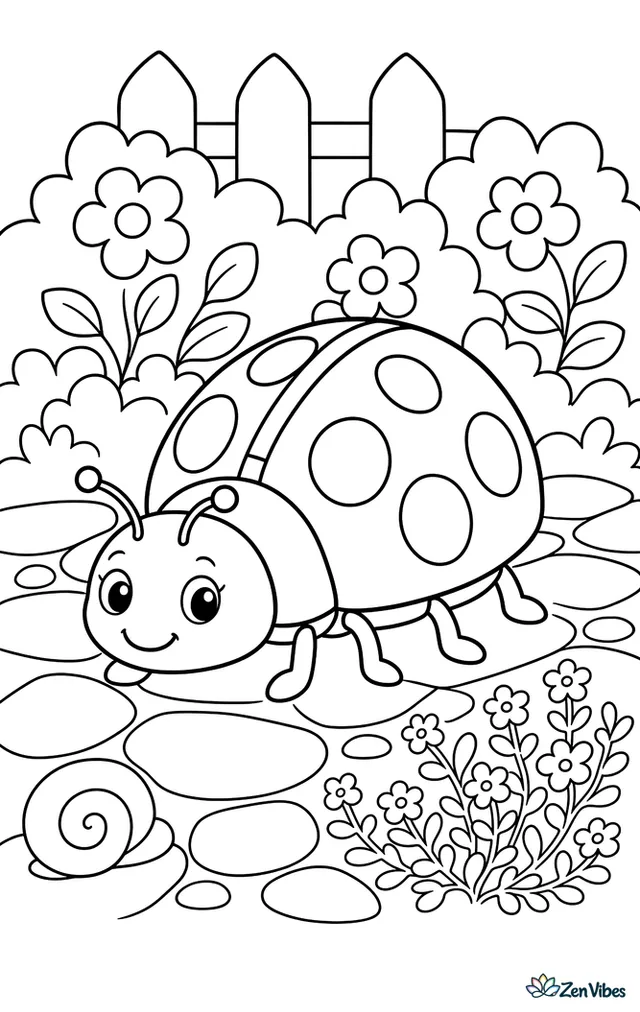
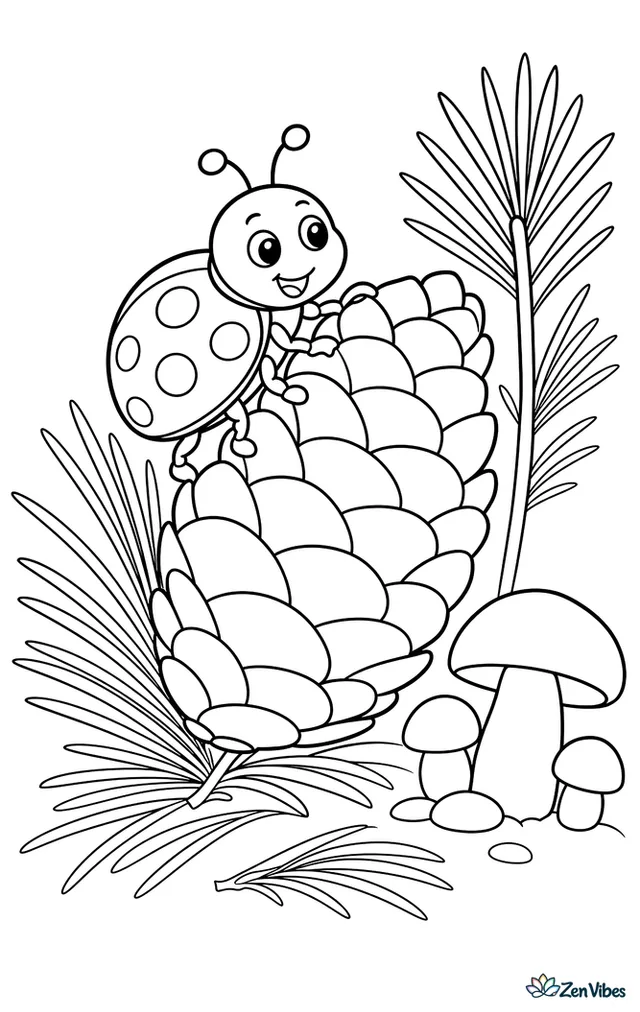
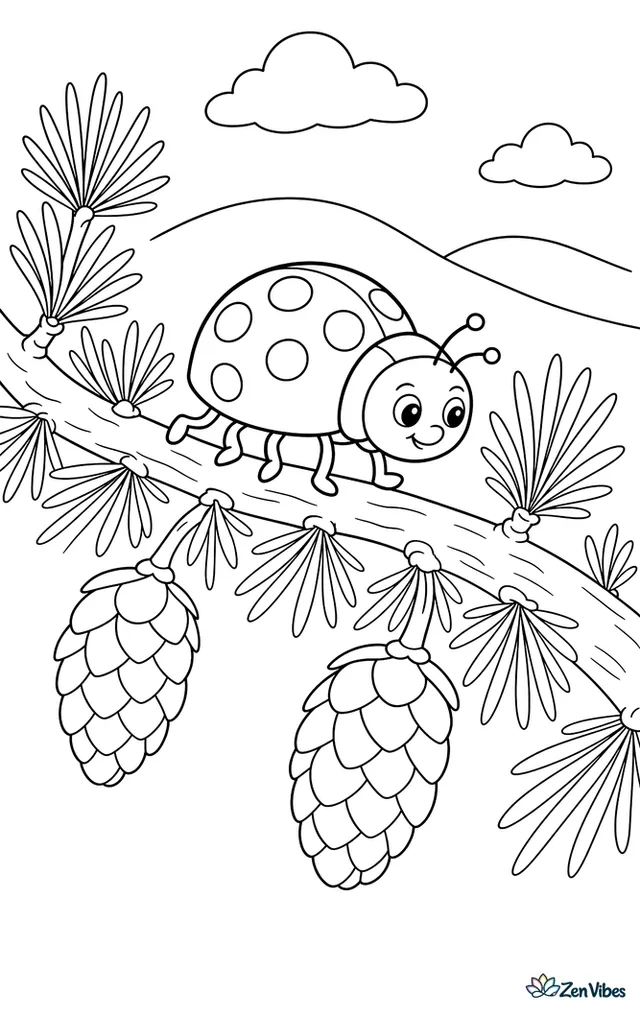
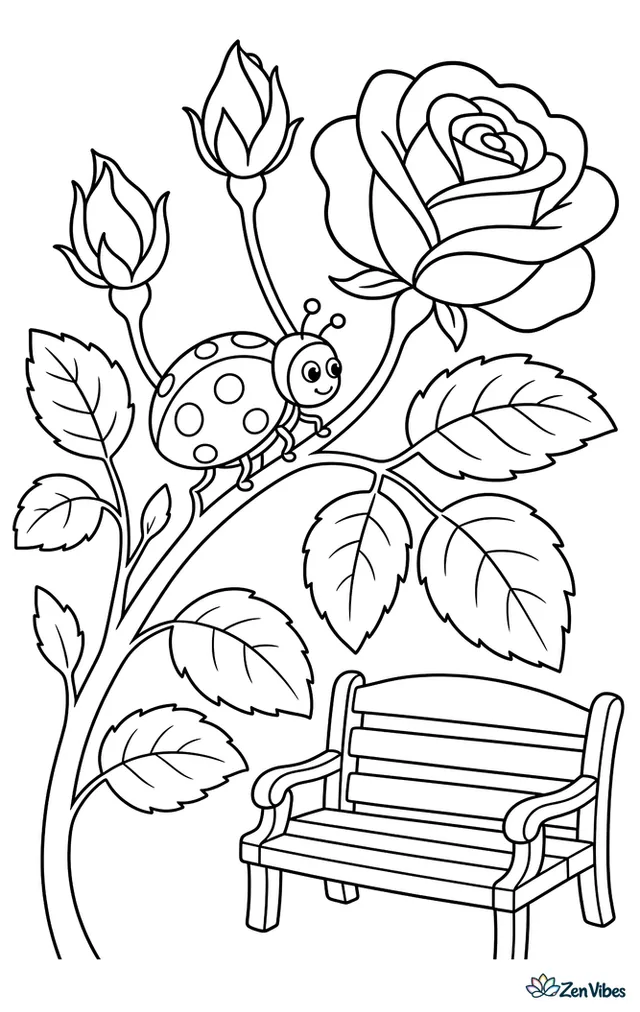
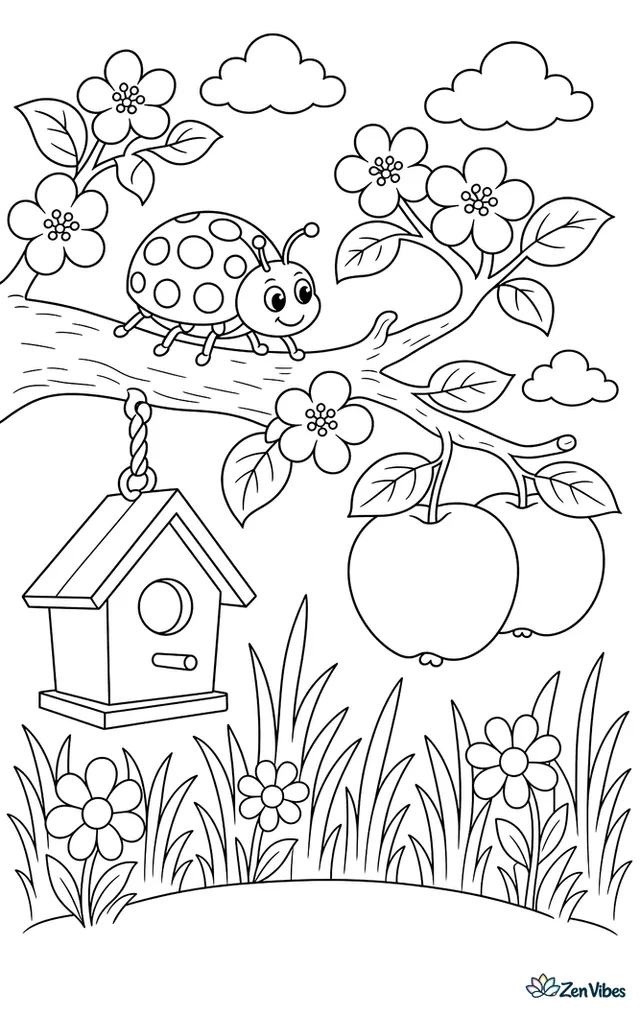
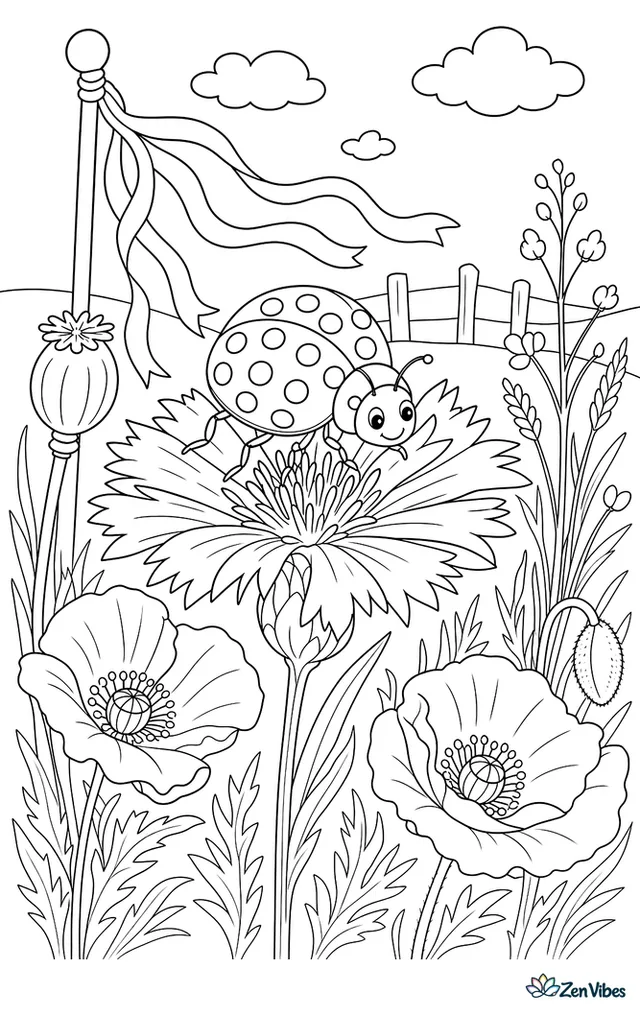
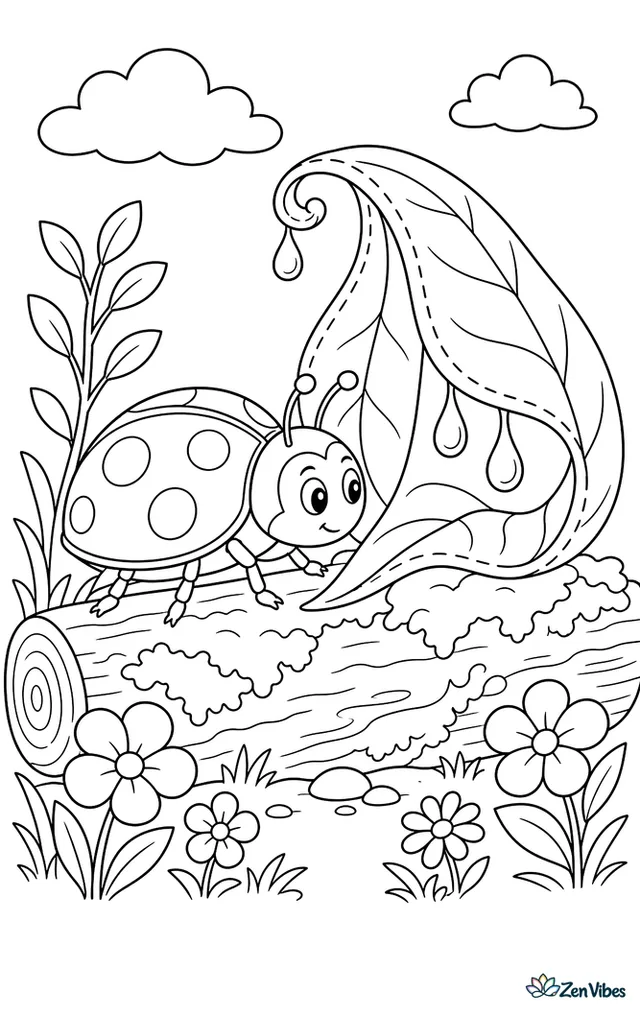
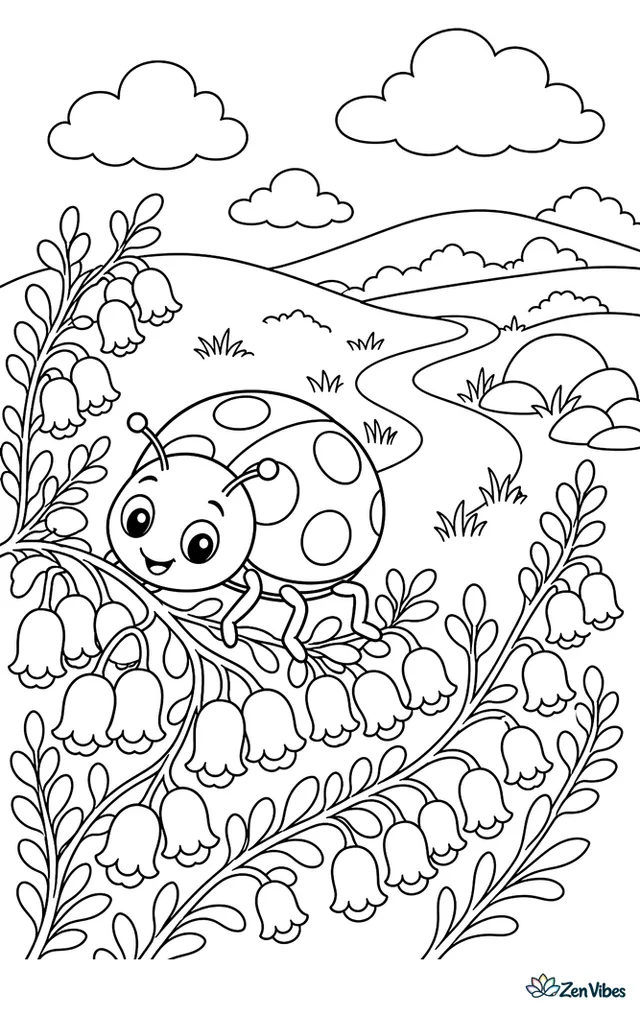
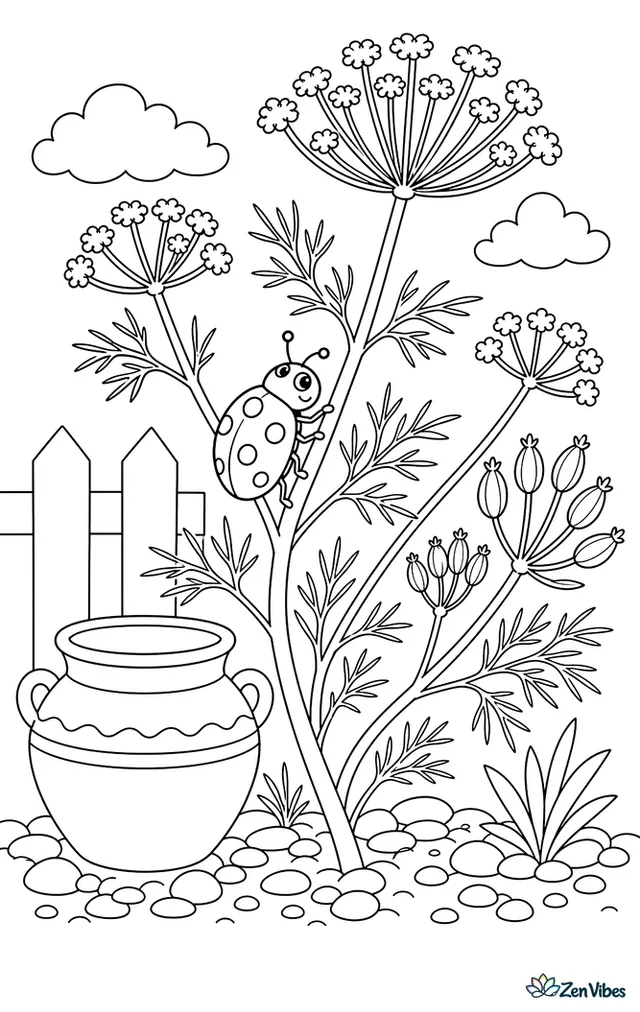
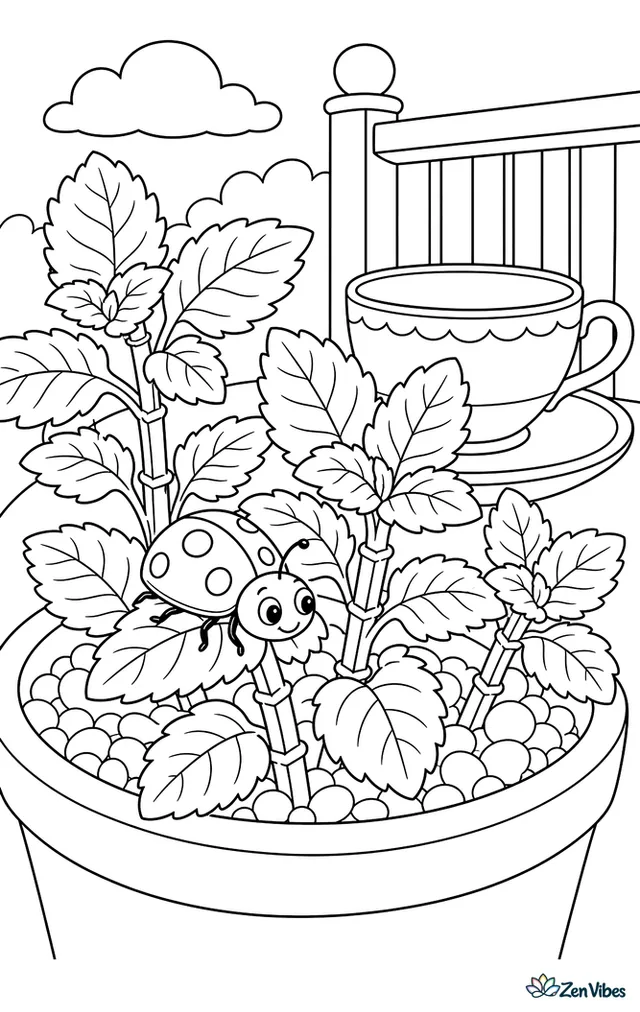
The first pages are especially easy to settle into. A seven-spot ladybug resting on a daisy, a convergent ladybug beside a mushroom, and a two-spot leaf nap all have open shapes and simple backgrounds that suit a preschooler with a fistful of crayons. Then the set starts adding a little more to look at. The Asian lady beetle crossing a bridge and the cardinal ladybug among marigolds bring in more scene around the bug, while the twenty-two-spot ladybug tucked into herbs gives older kids a page with more small spaces to notice.
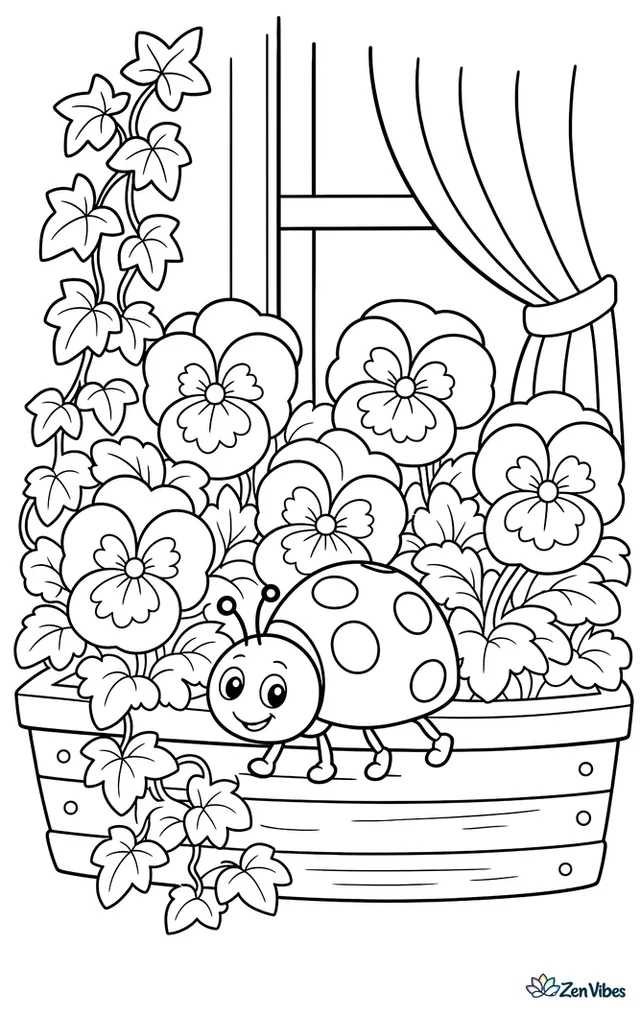
Compared with butterflies or bees, these pages feel calmer and a little sturdier. More circles, more leaves, less flutter. Our favorite is the kidney-spot ladybug in a windowbox, which feels like the kind of small garden scene a child might actually have seen outside.
Compiled by Zen Vibes Editors.
Click a preview to open its PDF.
Very easyAges 2–5Portrait
Very easyAges 2–5Portrait
Very easyAges 2–5Portrait
Very easyAges 2–5Portrait
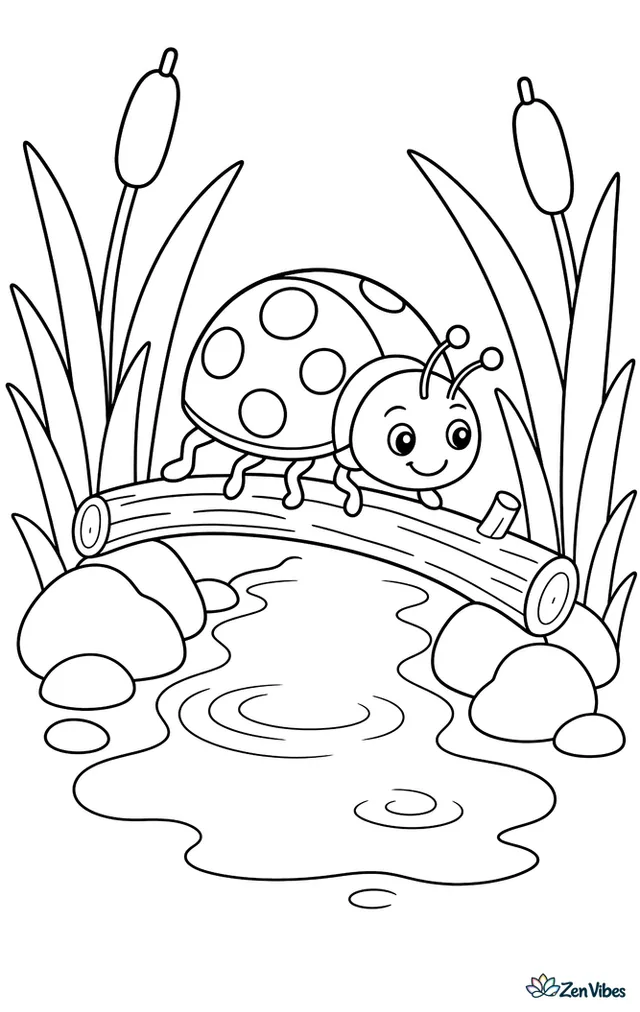
EasyAges 3–7Portrait
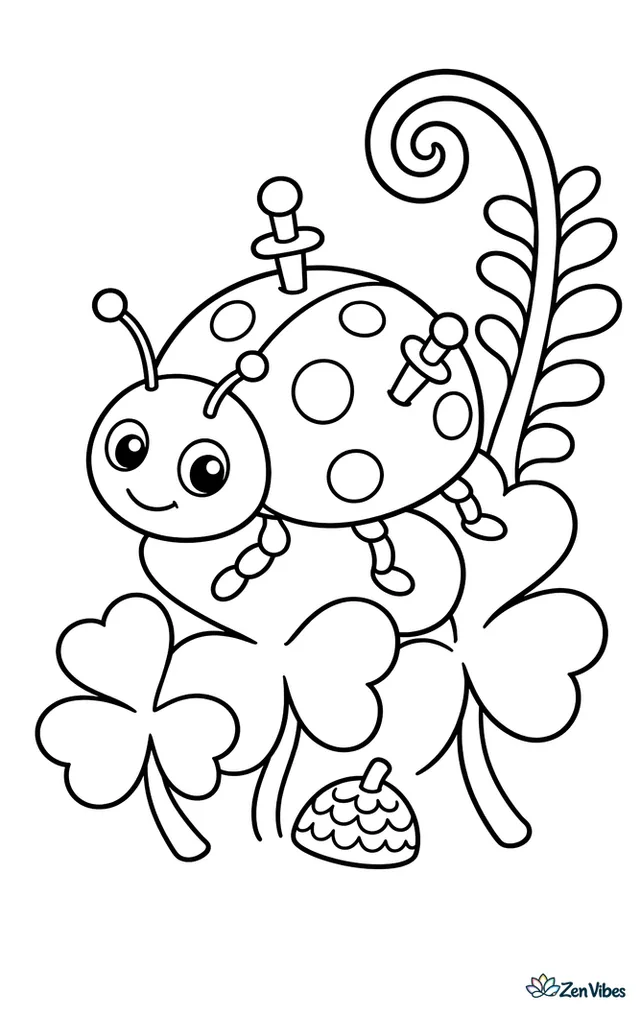
EasyAges 3–7Portrait
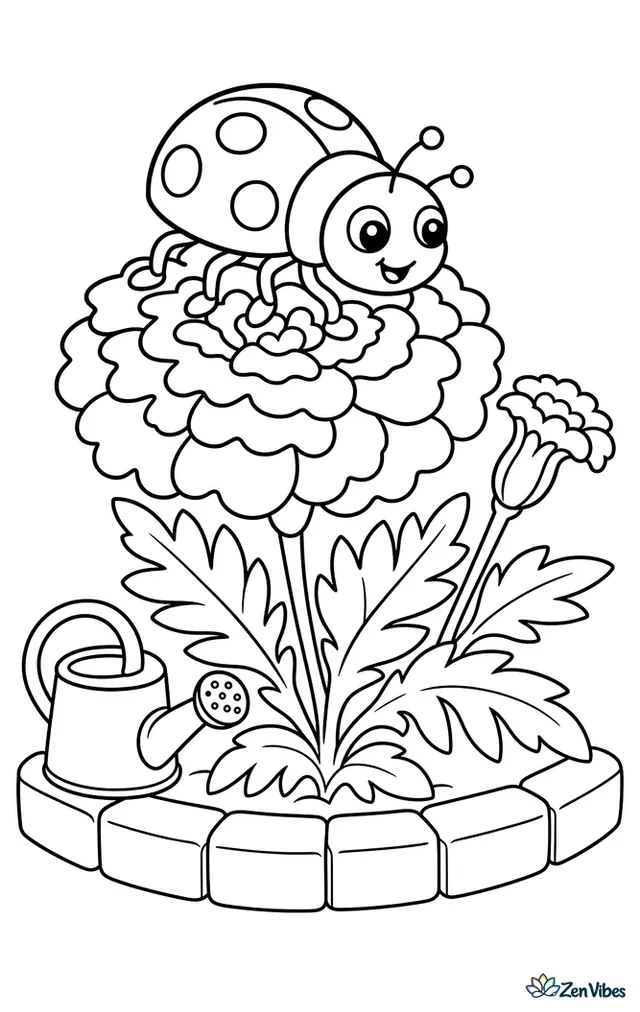
EasyAges 3–7Portrait
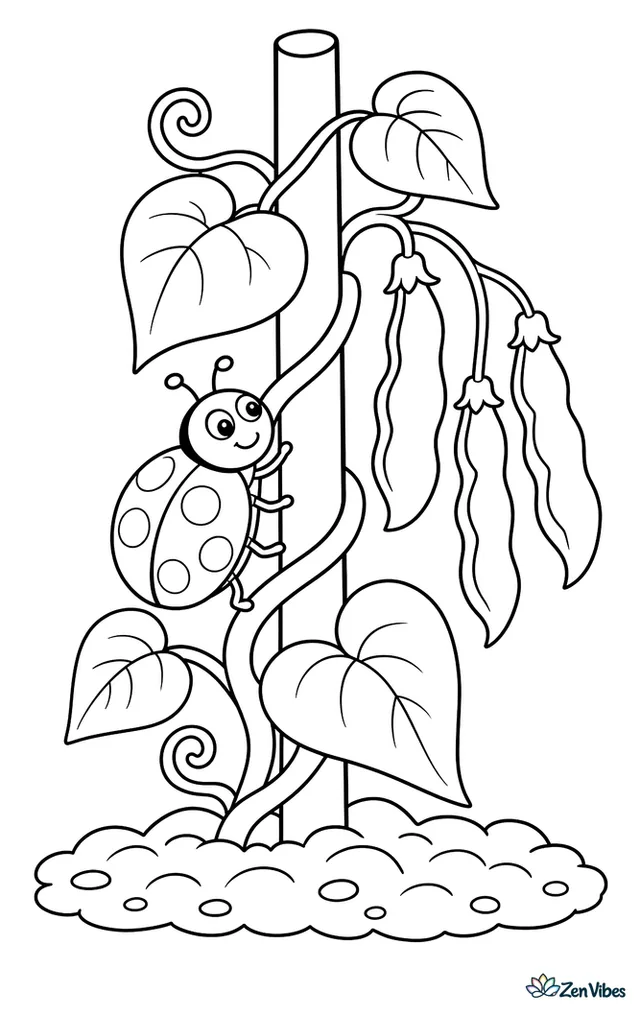
EasyAges 3–7Portrait
EasyAges 3–7Portrait
EasyAges 3–7Portrait
EasyAges 3–7Portrait
EasyAges 3–7Portrait
EasyAges 3–7Portrait
EasyAges 3–7Portrait
MediumAges 5–10Portrait
MediumAges 5–10Portrait
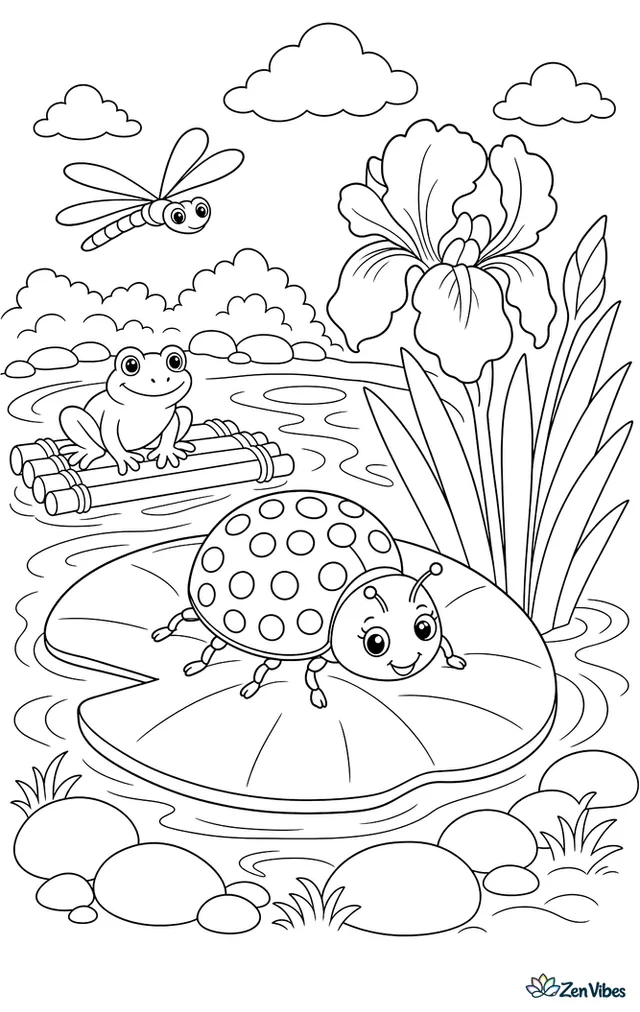
MediumAges 5–10Portrait
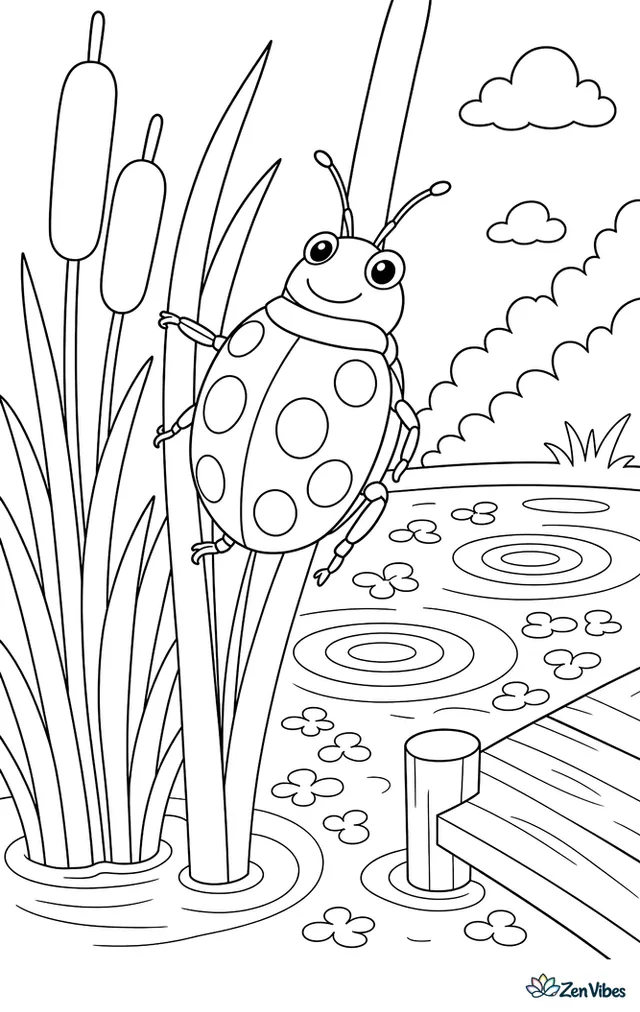
MediumAges 5–10Portrait
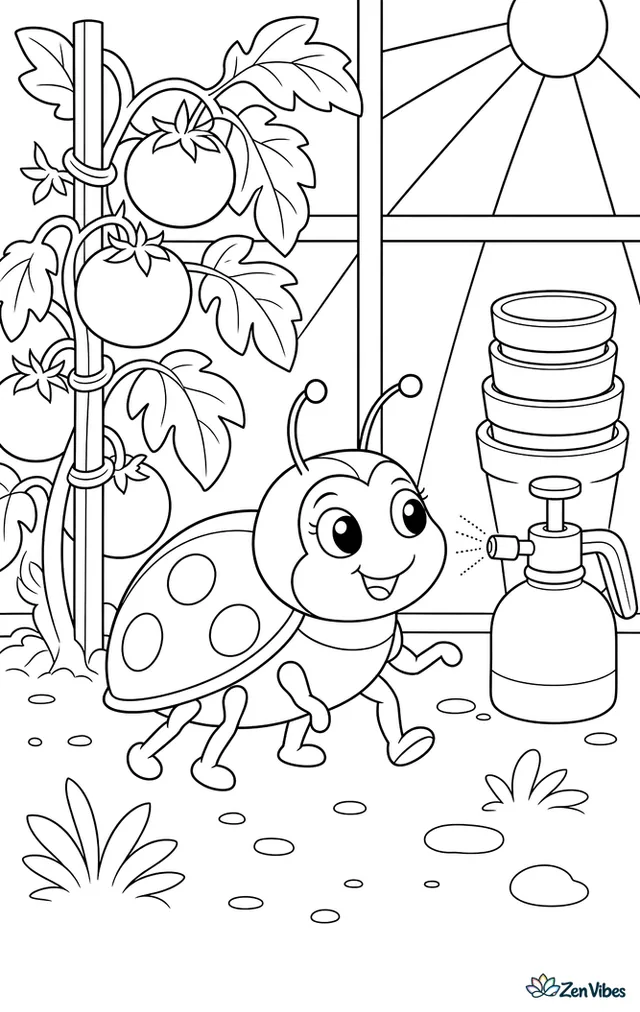
MediumAges 5–10Portrait
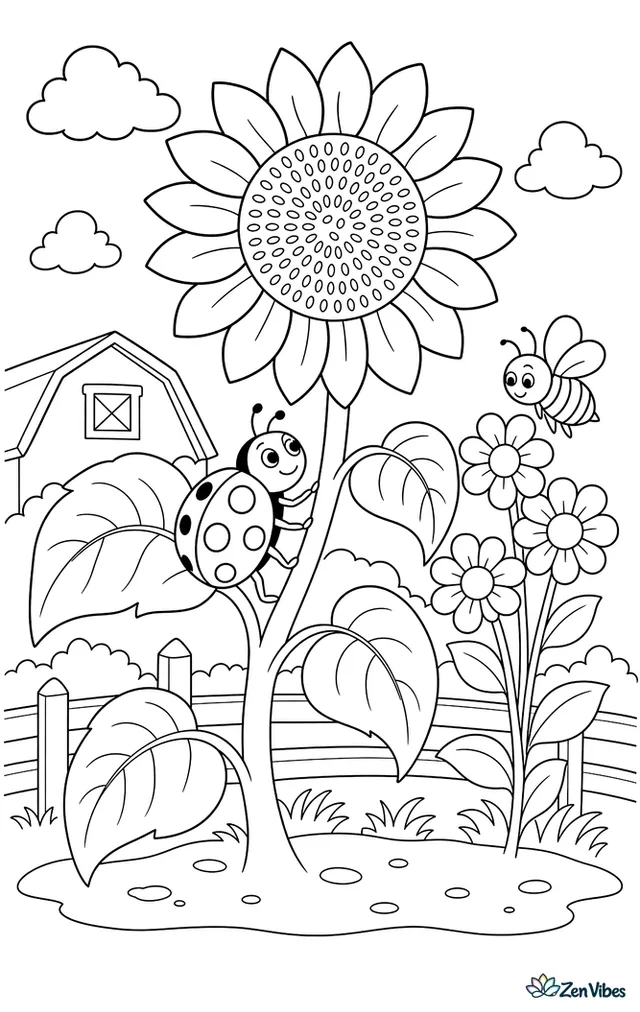
MediumAges 5–10Portrait
MediumAges 5–10Portrait
MediumAges 5–10Portrait
MediumAges 5–10Portrait
MediumAges 5–10Portrait
MediumAges 5–10Portrait
MediumAges 5–10Portrait
Print at actual size on plain paper. The later pages with smaller spots and leaves are easier to color with pencils or slim markers.
Back to Bugs
A bee set with hives, clover, blossoms, and garden scenes, from very simple pages for little hands to fuller ones that keep older kids coloring longer.
31 pages
Butterflies land on milkweed, clover, orchids, and zinnias in pages that start simple and grow more detailed. Easy to pick for little kids, older siblings, or a quiet grown-up break.
31 pages
Gentle snail coloring pages with lettuce, strawberries, mushrooms, herbs, and a lily pad. A nice pick for little kids, with a few quieter pages older colorers will like too.
26 pages
Gentle bat coloring pages with simple flying, roosting, and fruit-eating scenes. A good pick for little hands, night animal units, or anyone who wants bats without a spooky feel.
31 pages
Friendly bear coloring pages, from a simple polar bear cub and panda with bamboo to a grizzly by a lake. Easy to hand to little kids, still pleasant for older ones.
22 pages
Calm camel coloring pages with sand dunes, an oasis, a resting calf, and a caravan at sunset. Easy picks for little hands, with a few fuller desert scenes for older kids.
26 pages
Cozy cat pages with boxes, yarn, windows, chairs, and sleepy poses, from big simple outlines for little kids to fuller scenes older kids and adults can settle into.
44 pages
Friendly chicken coloring pages with hens on nests, fluffy chicks, and proud roosters by barns and fences. Easy choices for little hands, with a few fuller farm scenes too.
23 pages
Gentle cow coloring pages with barnyard scenes, apple trees, creeks, and meadows. Easy early picks for little hands, with fuller farm backgrounds for older kids too.
21 pages
Playful crab coloring pages with a waving fiddler crab, a running ghost crab, and a horseshoe crab on shore. A good pick for little hands and calm ocean themes.
27 pages
Gentle deer coloring pages with fawns, a bugling elk, a resting sika deer, and a caribou crossing. Easy to hand to little kids or anyone after a calm animal page.
31 pages
Friendly dinosaur scenes, from a simple triceratops in a meadow to a microraptor gliding past branches, with easy choices for little kids and fuller pages for older ones.
36 pages
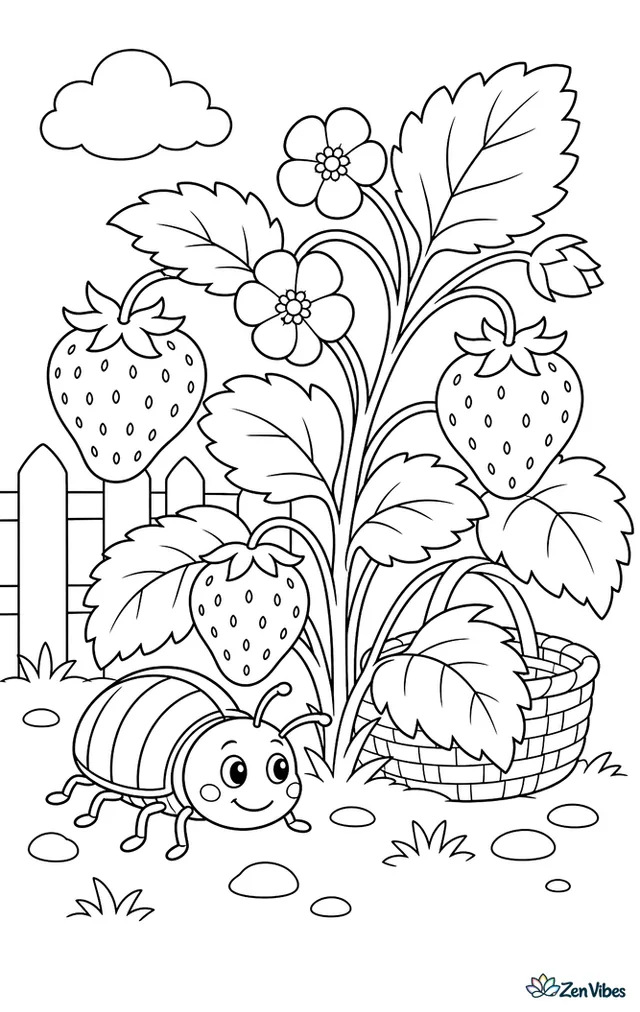
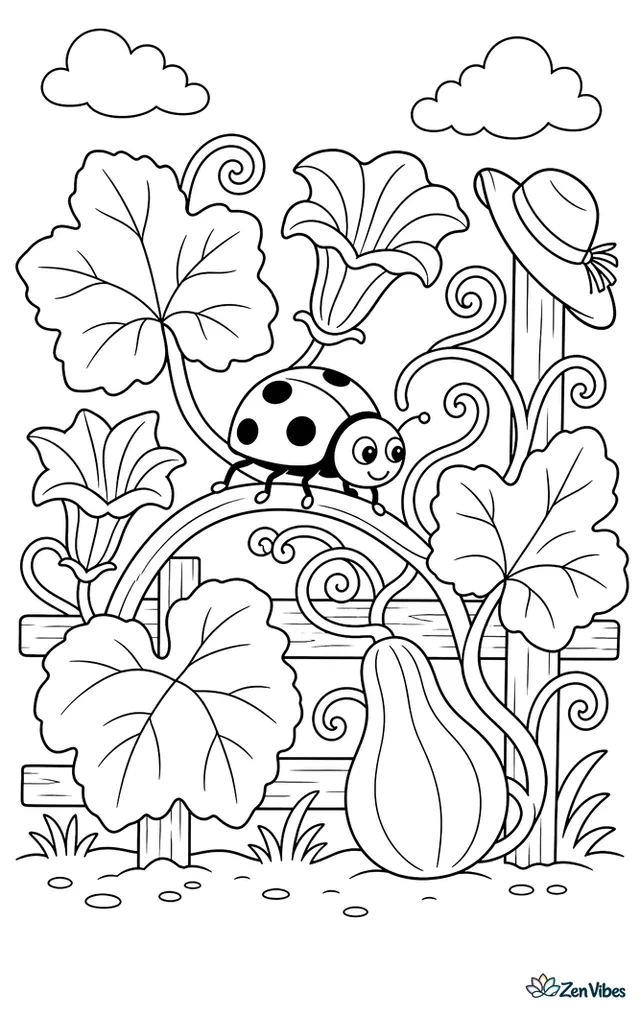
Ladybugs have a shape kids understand right away, a round back, a small head, and spots to fill in one by one. That makes these pages nice for children who want a real bug, but not one with lots of thin wings or tricky stripes.
Even when the scenes get fuller, the bug stays easy to find. A child can color the shell first, then come back for the flower, clover, vine, or herbs around it.
If you are choosing pages for a classroom table or a bug theme at home, ladybugs are one of the easiest insects to talk about while kids color. You can point out the different spots, the garden plants, and the way each bug is perched or resting.
This set also gives you a gentle step up from the simplest pages to ones with a bit more going on, without jumping into anything that feels fussy.
The early pages are happy with chunky crayons. For the later ones, especially the marigolds, vine, and herb pages, colored pencils or slim markers make it easier to keep the little spots and leaves neat.
Usage: All designs in this set are original Zen Vibes drawings. Free for personal, classroom, and therapy use. Full terms of use.